
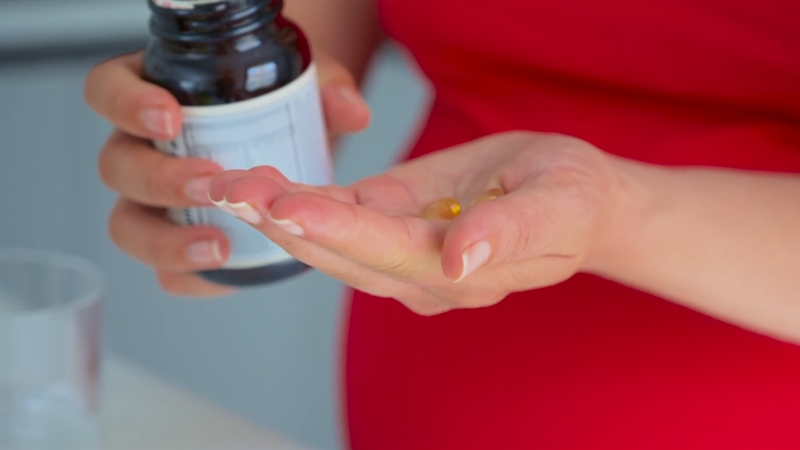
Hair, skin, and nails change over time. Hair can become drier and coarser.
Skin gradually loses elasticity. Nails may turn brittle with age. Internal nourishment plays a major role in supporting these tissues as they shift through different life stages.
Vitamins and minerals help maintain structure, strength, and overall appearance at a cellular level.
Supplements support collagen synthesis, antioxidant protection, cell repair, and healthy follicle function.
Topical products improve surface appearance, yet internal nutrients help build the structural proteins and protective systems that keep hair stronger and skin smoother over time.
Let us talk about the most important ones out there.
1. Collagen and Hyaluronic Acid
Collagen is the most abundant protein in connective tissue and plays a central role in maintaining skin elasticity and structural support.
Natural collagen production gradually declines with age, which can lead to reduced firmness, more visible fine lines, and weaker nails.
Hyaluronic acid works alongside collagen by helping skin retain water, contributing to a plump and smooth appearance.
Several measurable improvements have been observed with consistent use of collagen supplements:
Vitamin C intake enhances collagen synthesis, making combined support especially effective.
Hyaluronic acid enhances moisture retention within skin tissue and may help smooth fine lines and dryness by maintaining optimal hydration levels.
While topical products such as a collagen-boosting serum can improve surface texture, internal collagen and hyaluronic acid support structural integrity at a deeper level.
Bone broth, fortified supplements, and certain foods provide collagen or its precursors that help stimulate natural production.
2. Biotin Vitamin B7
View this post on Instagram
Biotin belongs to the B vitamin family and supports keratin production, the key structural protein in hair and nails.
Keratin gives strands strength and resilience, helping reduce breakage and supporting thicker-looking hair. Nails also depend on keratin for firmness and resistance to splitting.
Biotin deficiency has been linked with noticeable physical signs.
Supplementation can improve hair growth and thickness in people with low biotin levels.
Some clinical findings show improvement in hair and nail quality once the deficiency is corrected. Benefits are most apparent in individuals who previously had inadequate intake.
Food sources include egg yolks, salmon, nuts, and whole grains, all of which contribute to daily biotin needs.
3. Vitamin C
Vitamin C acts as a powerful antioxidant that protects cells against free radical damage caused by sun exposure and pollution.
Protection against oxidative stress supports healthier-looking skin and stronger hair structure.
Collagen production depends on adequate vitamin C, making it essential for elasticity and firmness.
Adequate intake helps stimulate collagen synthesis and supports structural proteins in skin and hair. Deficiency may lead to brittle nails and slower nail growth.
Additional visible effects of optimal intake can include:
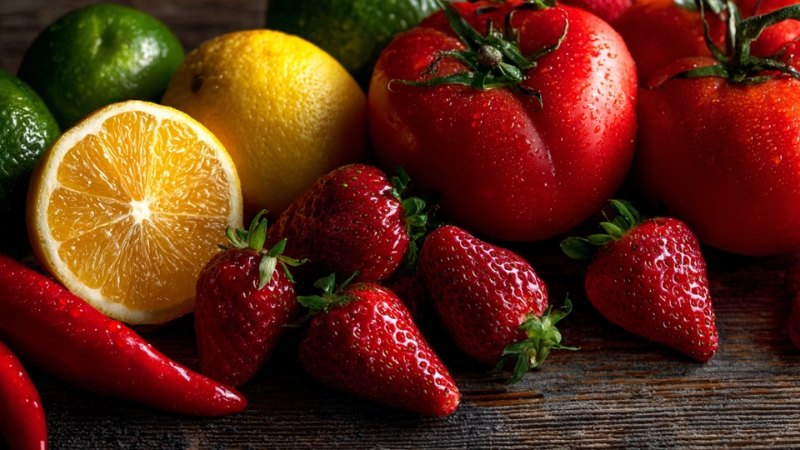
Citrus fruits, strawberries, peppers, and tomatoes are common dietary sources that help maintain sufficient levels.
4. Vitamin E
Vitamin E functions as an antioxidant that protects skin cells and hair follicle cells against oxidative stress.
Stable antioxidant protection supports healthy growth cycles and preserves the integrity of cell membranes.
Clinical settings have shown increased hair growth in some individuals taking vitamin E supplements. Improvements often relate to reduced oxidative damage around follicles.
Skin barrier function may also improve, which can result in:
Avocados, nuts, seeds, and spinach provide natural dietary sources of vitamin E that contribute to overall antioxidant defense.
5. Zinc
Zinc is an essential trace mineral involved in growth, tissue repair, and the regulation of oil glands around hair follicles.
Balanced zinc levels support proper cellular turnover and hormone regulation, both of which influence skin clarity and hair strength.
Regulation of sebum production may help reduce acne, while balanced hormone activity supports stronger follicles and a more resilient skin barrier.
Oysters, beef, pumpkin seeds, and lentils provide reliable dietary sources of zinc.
6. Iron
@healthwithnyrah Iron is very important in maintaining many body functions, including the production of hemoglobin, the molecule in your blood that carries oxygen. Iron is also necessary to maintain healthy cells, skin, hair, and nails. Symptoms of iron-deficiency anemia are related to decreased oxygen delivery to the entire body and may include: Being pale or having yellow “sallow” skin Unexplained fatigue or lack of energy Shortness of breath or chest pain, especially with activity Unexplained generalized weakness Rapid heartbeat Pounding or “whooshing” in the ears Headache, especially with activity Craving for ice or clay – “picophagia” Sore or smooth tongue Brittle nails or hair loss #iron #lowiron #irondeficiency #anemia #vitamins #vitamindeficiency #pharmacist ♬ Messa da Requiem: II. Dies irae – Daniel Barenboim & Chicago Symphony Orchestra
Iron is required for the production of hemoglobin, a protein that carries oxygen to cells in skin, hair follicles, and nails.
Oxygen delivery is essential for active cell division and growth, especially in rapidly renewing tissues such as hair roots.
Iron deficiency is the most common nutrient deficiency worldwide and has been linked with hair loss and pale, dull skin.
Reduced oxygen supply can weaken follicle activity and slow visible growth.
Restoring healthy iron levels may result in:
Red meat, poultry, fish, and legumes offer dependable sources of iron that support healthy oxygen transport.
7. Omega-3 Fatty Acids
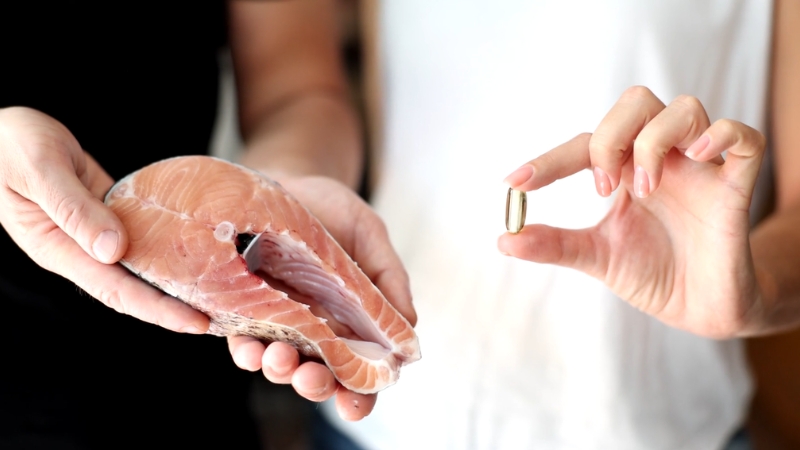
Omega-3 fatty acids nourish cell membranes and help maintain hydration and elasticity in skin.
Strong, flexible membranes allow skin cells to retain moisture more effectively, which supports a smoother texture and a more supple appearance.
Scalp health also depends on adequate intake of these healthy fats, since hair follicles require proper nourishment to maintain strength and reduce brittleness.
Anti-inflammatory properties contribute to calmer skin and scalp conditions. Chronic inflammation can weaken follicles and disrupt normal skin balance.
Sufficient omega-3 intake may help reduce visible redness, dryness, and irritation while supporting a healthier scalp environment for consistent hair growth.
Adequate levels have also been associated with improvements such as:
Fatty fish such as salmon and sardines provide concentrated amounts of EPA and DHA.
Plant-based options such as flaxseed and chia seeds supply ALA and support overall tissue health when included regularly in the diet.
The Bottom Line
Key nutrients such as biotin, vitamin C, vitamin E, zinc, iron, omega-3 fatty acids, collagen, and hyaluronic acid contribute to stronger hair and smoother, healthier skin through internal support.
Supplements can help fill nutrient gaps and support essential biological processes.
Healthy diet, quality sleep, and sun protection remain important factors in maintaining vibrant hair, resilient nails, and youthful-looking skin.